Bed Bug Prevention & Monitoring Leeds

The Importance of Professional Bed Bug Removal for Leeds Homes

Introduction

A bed bug infestation is more than just an inconvenience—it can have a significant impact on your comfort, sleep, and overall wellbeing. These tiny insects are skilled at hiding during the day and become active at night, feeding on human blood while people sleep. Because they reproduce quickly and remain hidden in cracks, furniture, mattresses, and soft furnishings, even a small infestation can rapidly grow into a serious household problem. Many homeowners initially underestimate the situation, believing a few sprays or home remedies will solve it, only to discover weeks later that the infestation has become much worse.

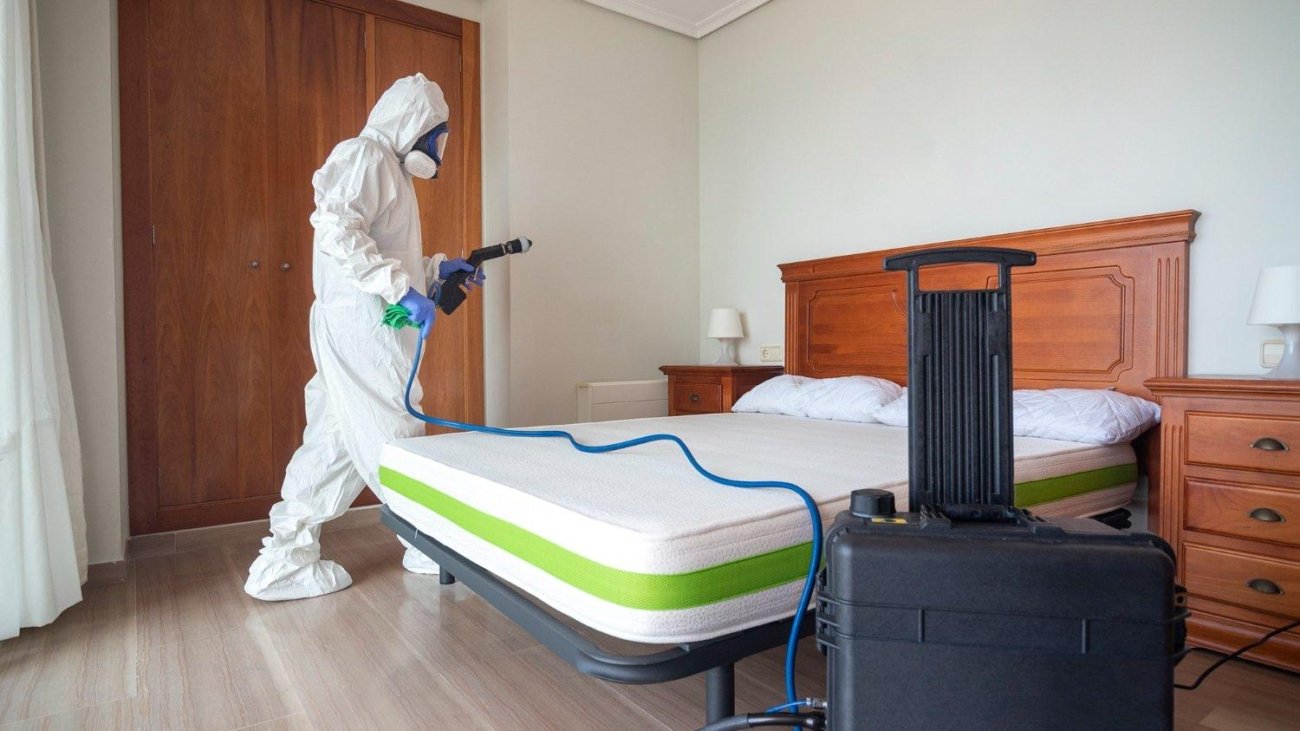
Professional bed bug removal is the safest and most effective solution for eliminating these persistent pests. Experienced technicians understand the behaviour of bed bugs, know where they hide, and use advanced treatment methods that target every stage of their life cycle. For homeowners and businesses across Leeds, investing in professional pest control not only removes the current infestation but also helps prevent future outbreaks. Below are five key reasons why professional bed bug removal is the best choice for protecting your property.


1. Accurate Inspection and Identification

One of the biggest advantages of hiring professional pest control specialists is their ability to accurately identify the extent of the infestation. Bed bugs are extremely small and spend most of their time hiding in places that homeowners rarely inspect. While many people only check the mattress, professionals know that bed bugs can also hide behind skirting boards, inside bedside furniture, beneath carpets, behind wallpaper, inside electrical sockets, and within tiny cracks in walls and flooring.

A thorough inspection is essential because treating only the visible areas rarely solves the problem. Missing just a few hiding places allows surviving bed bugs to continue breeding, causing the infestation to return within a short period. Professional technicians use their experience to locate all activity, ensuring that every affected area receives appropriate treatment.

Accurate identification also prevents unnecessary treatment for other pests. Flea bites, mosquito bites, and certain skin conditions can sometimes resemble bed bug bites. A professional inspection provides certainty, allowing the correct treatment plan to be implemented from the very beginning.


2. Professional Treatments Are More Effective

Many over-the-counter sprays and DIY products only kill bed bugs that come into direct contact with the treatment. Unfortunately, the majority of bed bugs remain hidden deep inside furniture and structural gaps where household products cannot reach. This means the infestation continues even after repeated applications of DIY treatments.

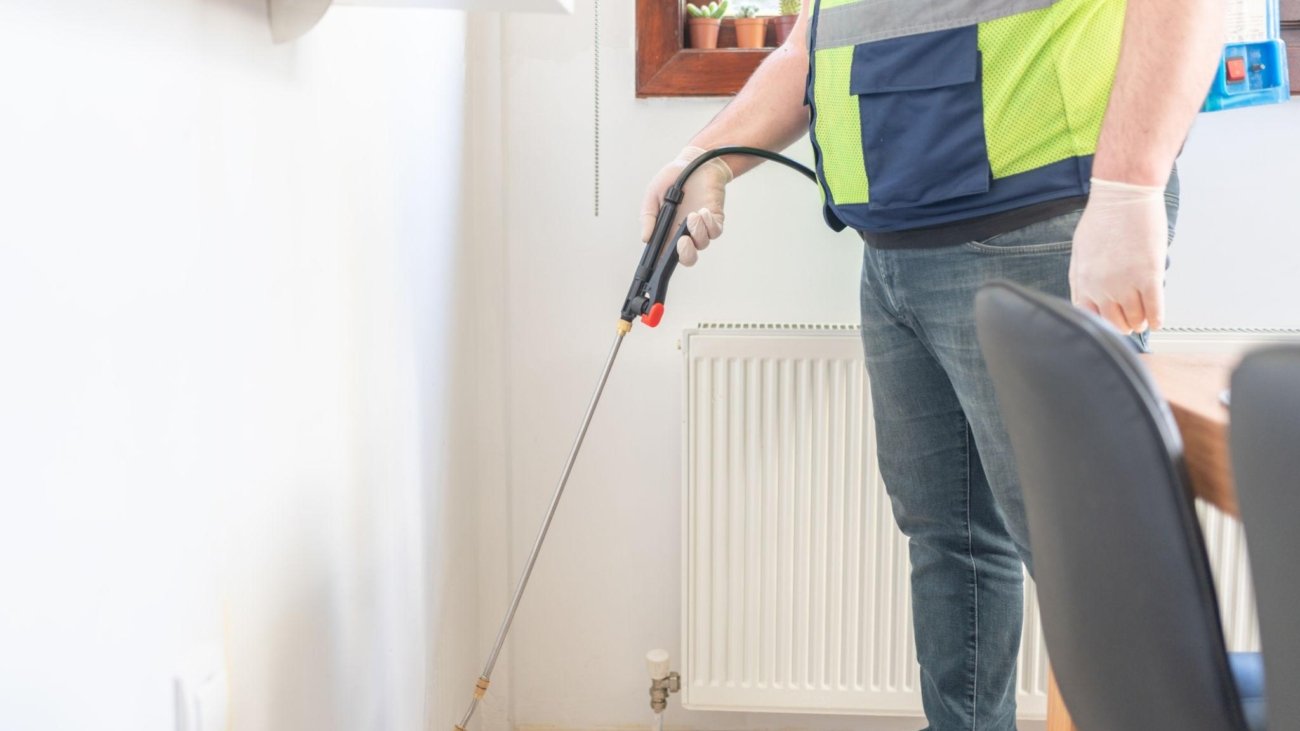
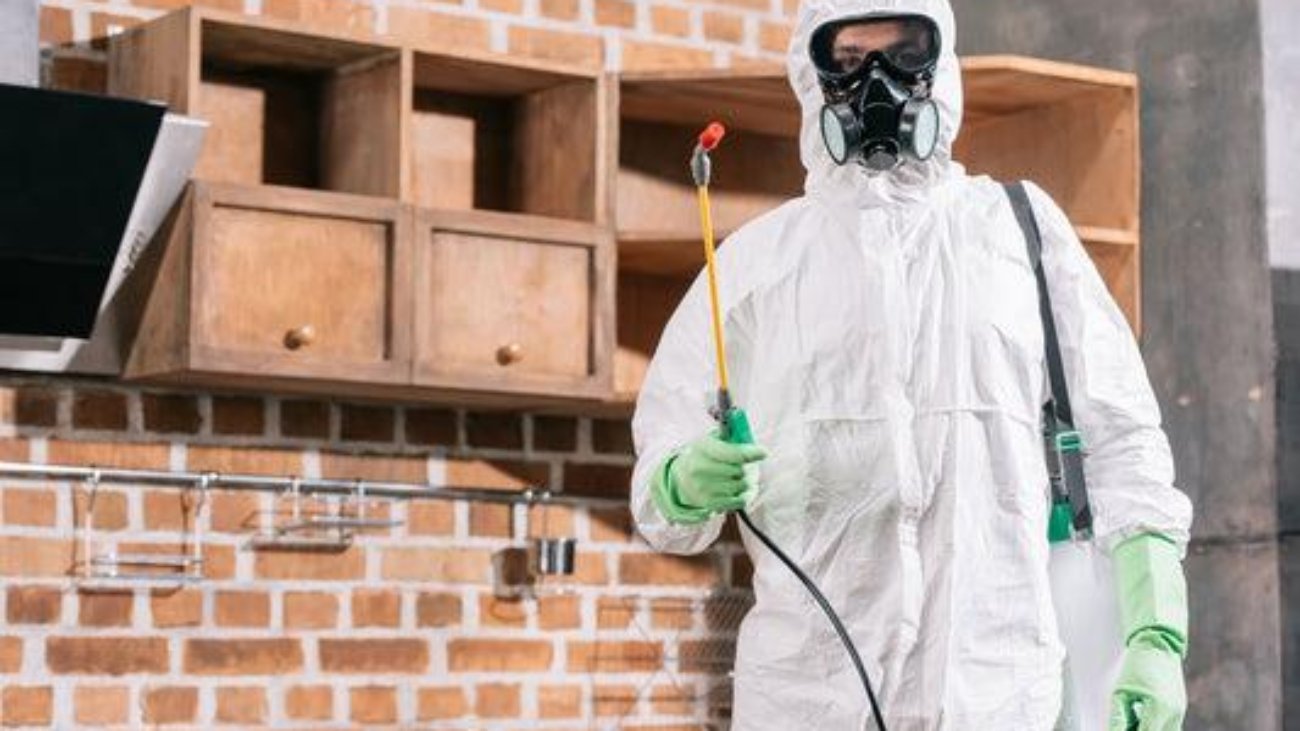
Professional pest control companies use commercial-grade products and specialist equipment that are considerably more effective than products available to the general public. These treatments are carefully applied to known hiding places while following strict safety guidelines to maximise effectiveness and minimise disruption.

Depending on the severity of the infestation, technicians may use a combination of targeted insecticide treatments, heat treatments, crack and crevice applications, and follow-up inspections. This comprehensive approach ensures that both adult bed bugs and newly hatched nymphs are eliminated before they have an opportunity to reproduce.


3. Protecting Your Health and Wellbeing

Although bed bugs are not known to spread diseases, they can still have a significant impact on your physical and mental wellbeing. Repeated bites often cause itching, redness, swelling, and discomfort. Some individuals experience allergic reactions, while excessive scratching can lead to skin infections.

The emotional effects of a bed bug infestation are equally important. Many homeowners experience anxiety, embarrassment, frustration, and loss of sleep after discovering bed bugs in their home. Poor sleep quality caused by nightly bites can affect concentration, mood, productivity, and overall quality of life.

Professional bed bug removal helps restore peace of mind by addressing the infestation quickly and thoroughly. Knowing that trained specialists have treated every affected area allows homeowners to sleep comfortably again without worrying about further bites or recurring infestations.


4. Preventing the Infestation from Spreading

One of the greatest risks of delaying treatment is allowing bed bugs to spread throughout the property. A small infestation confined to one bedroom can gradually extend into spare rooms, living rooms, wardrobes, sofas, carpets, and neighbouring properties if left untreated.

Bed bugs travel surprisingly well by crawling through cracks in walls, around pipework, beneath doors, and inside electrical conduits. In flats, apartments, hotels, and shared accommodation, this movement can result in multiple properties becoming infested before anyone realises the extent of the problem.

Professional pest control specialists understand how bed bugs spread and apply treatments strategically to stop their movement. Early intervention significantly reduces the likelihood of widespread infestations, making treatment faster, more affordable, and more successful.


5. Long-Term Prevention and Expert Advice

Removing bed bugs is only part of the solution. Preventing future infestations is equally important, especially for people who travel frequently, purchase second-hand furniture, or live in shared accommodation. Professional technicians provide valuable advice that helps homeowners reduce the risk of bed bugs returning.

This guidance may include recommendations for inspecting hotel rooms, checking luggage after travelling, safely purchasing second-hand furniture, reducing bedroom clutter, using mattress encasements, and carrying out routine inspections around sleeping areas. These preventative measures help homeowners identify potential problems before they become serious infestations.

Many professional pest control companies also recommend follow-up inspections where necessary, particularly after severe infestations. This additional support provides confidence that the treatment has been successful and that your home remains protected over the long term.


Conclusion

Professional bed bug removal offers far more than simply eliminating unwanted insects. It provides a complete solution that includes accurate inspections, effective treatments, long-term prevention, and expert advice tailored to your property. While DIY methods often provide only temporary relief, professional pest control targets every stage of the bed bug life cycle, greatly reducing the risk of recurring infestations. For homeowners and businesses throughout Leeds, acting quickly and choosing experienced bed bug removal specialists is the most reliable way to protect your property, safeguard your family’s wellbeing, and restore a clean, comfortable, and pest-free environment.
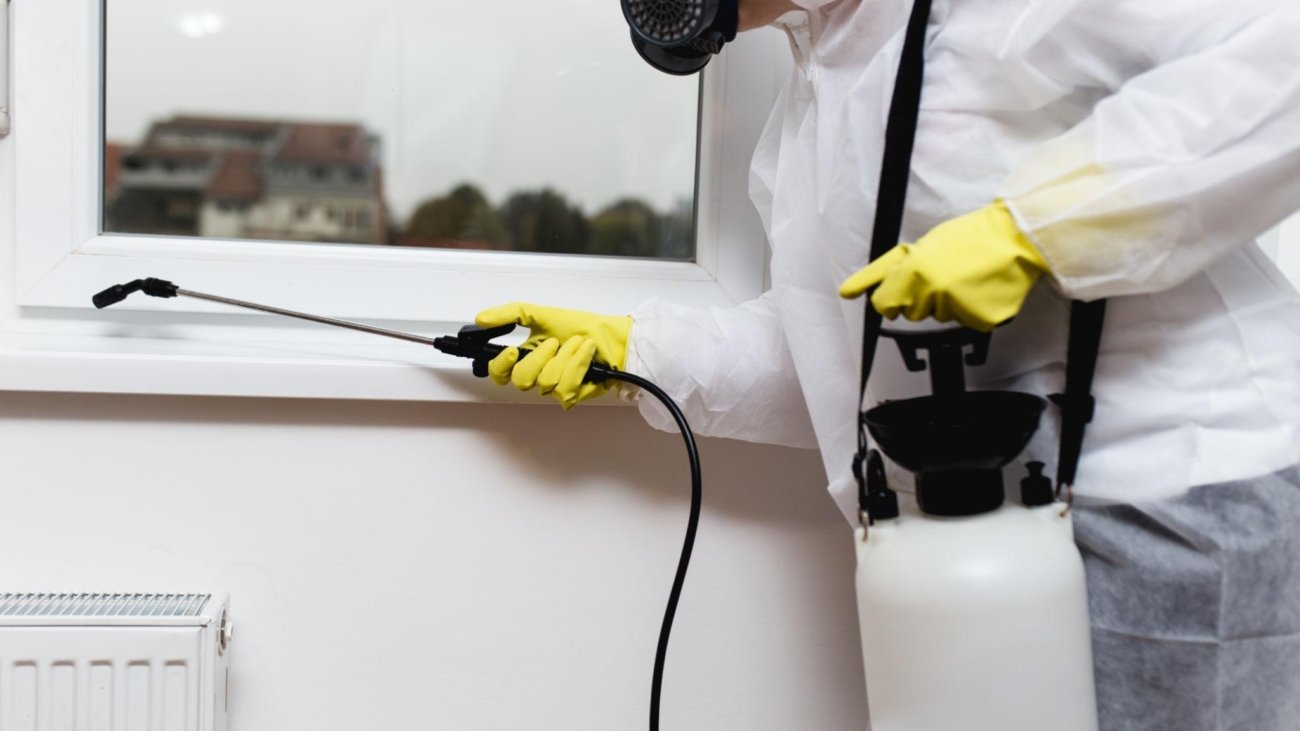
Bed Bug Fumigation Leeds 3

How to Prepare Your Home for Professional Bed Bug Treatment in Leeds

Introduction

If you’ve discovered bed bugs in your home, scheduling a professional treatment is the most effective step towards eliminating the infestation. However, the success of any bed bug removal service doesn’t depend solely on the products or equipment used—it also relies on how well the property is prepared before the treatment begins. Proper preparation gives pest control technicians full access to hiding places, allowing treatments to reach every area where bed bugs may be living. It also helps reduce the chances of bed bugs surviving in hidden locations and returning after the initial visit.

Many homeowners in Leeds are unsure what they should do before a bed bug treatment. Questions about washing bedding, moving furniture, vacuuming, or packing personal belongings are very common. Preparing your home correctly not only improves the effectiveness of the treatment but also shortens the time needed for technicians to complete their work. Below are five essential steps you should take before your professional bed bug removal appointment to ensure the best possible results.


1. Wash and Store Bedding and Clothing Properly

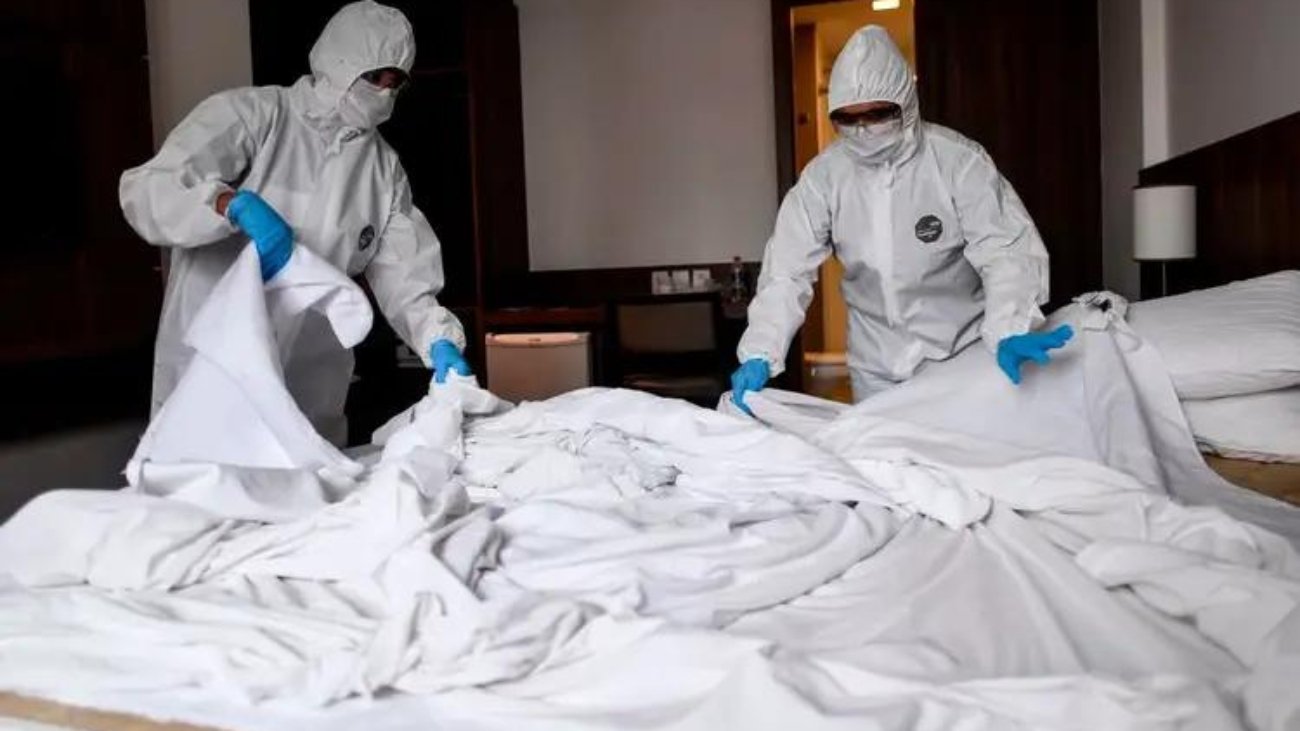
One of the first steps before treatment is washing all bedding, clothing, and fabrics that may have come into contact with bed bugs. Bed sheets, pillowcases, duvet covers, blankets, curtains, towels, and clothing should be washed using the hottest temperature recommended by the manufacturer. Heat is one of the most effective ways to kill both bed bugs and their eggs, making this an important part of the preparation process.

After washing, items should be dried on a high-heat setting for at least 30 minutes whenever possible. The heat generated during drying helps destroy any remaining insects or eggs that may have survived the wash cycle. Once cleaned, place these items in sealed plastic bags or airtight containers until after the treatment has been completed. This prevents them from becoming reinfested while technicians are treating the property.

Avoid placing cleaned items back into wardrobes, drawers, or onto treated beds until your pest control specialist confirms it is safe to do so. Keeping washed belongings sealed also makes it easier to identify which items have already been treated, reducing the risk of accidentally spreading bed bugs to other areas of your home.


2. Declutter the Affected Rooms

Bed bugs thrive in clutter because it provides countless hiding places where they can remain undisturbed during the day. Boxes, piles of clothes, books, shoes, toys, and stored belongings create ideal environments for bed bugs to hide and reproduce. The more clutter there is, the more difficult it becomes for technicians to inspect and treat every affected area.

Before your appointment, remove unnecessary items from the floor and organise your belongings. However, avoid moving items from an infested room into another part of the house, as this can unintentionally spread bed bugs throughout the property. Instead, carefully place belongings into sealed plastic bags if instructed by your pest control provider.

Decluttering also allows technicians easier access to skirting boards, furniture, bed frames, wardrobes, and other locations where bed bugs commonly hide. A tidy room enables more thorough treatment and increases the likelihood of completely eliminating the infestation during the first visit.


3. Move Furniture Away from Walls

Bed bugs frequently hide behind beds, headboards, bedside tables, wardrobes, and other furniture positioned against walls. Pulling furniture slightly away from the walls before treatment allows technicians to inspect and treat these hidden areas more effectively.

Beds should be moved where possible so that technicians can access all sides of the mattress, bed frame, and surrounding floor. Bedside cabinets, dressers, and sofas may also need to be repositioned to expose skirting boards and wall junctions where bed bugs often shelter.

While moving furniture, avoid dragging infested mattresses or upholstered items through other areas of the house without following professional advice. If furniture needs to be dismantled, your pest control company will usually advise whether this should be done before they arrive or during the treatment itself.


4. Vacuum Carefully Before the Treatment

Vacuuming is an excellent way to reduce the number of live bed bugs, eggs, and debris before professional treatment begins. Carefully vacuum mattresses, carpets, bed frames, upholstered furniture, skirting boards, and cracks where bed bugs may be hiding. Pay particular attention to mattress seams, furniture joints, and areas beneath the bed.

Although vacuuming alone will not eliminate an infestation, it helps remove a significant number of insects and allows professional treatments to work more effectively. After vacuuming, immediately remove the vacuum bag or empty the canister into a sealed plastic bag and dispose of it outside your home. This prevents captured bed bugs from escaping back into the property.

Avoid steam cleaning or applying DIY insecticides immediately before professional treatment unless specifically instructed to do so. Some products can interfere with the effectiveness of commercial pest control treatments, making them less successful.


5. Follow All Instructions from Your Pest Control Specialist

Every bed bug infestation is different, which is why professional pest control companies provide preparation instructions tailored to your property. Following these guidelines carefully is one of the most important steps you can take to ensure successful treatment.

Your technician may ask you to leave the property for several hours after treatment, avoid cleaning treated surfaces for a certain period, or schedule a follow-up visit to eliminate any newly hatched bed bugs. These recommendations are based on years of experience and are designed to maximise the effectiveness of the treatment.

If you have pets, young children, or family members with medical concerns, discuss these with your pest control company before treatment begins. They can provide advice on safety precautions and explain when it is safe to return to treated areas. Clear communication between you and your technician helps ensure a smooth process and long-lasting results.


Conclusion

Preparing your home properly before professional bed bug treatment plays a vital role in achieving complete and long-lasting results. Washing and sealing fabrics, reducing clutter, moving furniture, vacuuming carefully, and following your pest control specialist’s instructions all contribute to a more effective treatment. These simple preparations give technicians better access to hidden bed bugs and help prevent the infestation from spreading or returning. If you’re arranging professional bed bug removal in Leeds, taking the time to prepare your property correctly will increase the success of the treatment, minimise disruption, and help restore your home to a clean, comfortable, and pest-free environment as quickly as possible.

Bed Bug Fumigation Leeds

Why DIY Bed Bug Treatments Often Fail in Leeds Homes

Introduction

Discovering bed bugs in your home can be overwhelming, and many homeowners naturally look for the quickest and cheapest solution. Supermarkets, DIY stores, and online retailers offer a wide variety of bed bug sprays, powders, foggers, and home remedies that promise fast results. While these products may appear to eliminate the problem initially, they rarely address the root cause of the infestation. Bed bugs are incredibly resilient insects that hide deep inside furniture, mattresses, walls, and flooring, making them far more difficult to remove than many people expect.

Across Leeds, professional pest control companies are often called after homeowners have already spent weeks or even months trying DIY treatments without success. In many cases, the infestation has spread to multiple rooms, making treatment more complex and expensive than if professional help had been sought from the beginning. Understanding why DIY methods usually fail can help homeowners make informed decisions and protect their homes from long-term infestations.


1. DIY Products Only Kill the Bed Bugs You Can See

One of the biggest misconceptions about bed bug treatment is believing that eliminating visible insects means the infestation has been solved. Unfortunately, bed bugs are experts at hiding. During the day, they retreat into mattress seams, bed frames, furniture joints, behind wallpaper, inside electrical sockets, beneath carpets, and within tiny cracks that are impossible to reach with ordinary household sprays.

Most DIY insecticides only affect insects that come into direct contact with the product. Since the majority of bed bugs remain hidden, only a small percentage of the infestation is actually treated. Eggs, young nymphs, and hidden adults survive and continue reproducing.

Many homeowners notice fewer bites after applying a spray and assume the treatment has worked. However, within a few weeks, newly hatched bed bugs emerge from hidden eggs, and the infestation quickly returns. This often creates the false impression that bed bugs are impossible to remove when, in reality, the original treatment simply failed to reach every hiding place.


2. Bed Bug Eggs Are Extremely Difficult to Eliminate

A major reason DIY treatments fail is that bed bug eggs are highly resistant to many over-the-counter products. Female bed bugs can lay hundreds of eggs during their lifetime, placing them inside tiny cracks and hidden spaces where they remain protected until hatching.

Even if a DIY spray kills every visible adult bed bug, untreated eggs will continue developing. Within one to two weeks, new nymphs emerge and begin feeding almost immediately. This creates a continuous cycle where homeowners believe the infestation has disappeared, only for it to return shortly afterwards.

Professional pest control treatments are designed to break this breeding cycle. Many treatments include scheduled follow-up visits to eliminate newly hatched insects before they mature and reproduce. Without this approach, infestations often continue indefinitely despite repeated DIY attempts.


3. Bed Bugs Can Spread to Other Areas of the Property

Improper DIY treatment can actually make a bed bug infestation worse. When bed bugs are exposed to certain chemicals or disturbed repeatedly, they often move away from the treated area in search of safer hiding places.

Instead of remaining confined to one bedroom, they may spread into neighbouring bedrooms, living rooms, wardrobes, sofas, carpets, or even adjoining flats and neighbouring properties. This makes future treatment much more complicated because the infestation is no longer concentrated in one location.

Many homeowners unknowingly contribute to this spread by moving infested mattresses, carrying bedding through the house, or disposing of furniture without properly sealing it. Professional technicians understand how bed bugs behave and apply treatments strategically to prevent them from relocating throughout the property.


4. Home Remedies Are Rarely Backed by Scientific Evidence

The internet is filled with advice claiming that tea tree oil, lavender oil, baking soda, vinegar, alcohol sprays, essential oils, or ultrasonic devices can eliminate bed bugs. While some of these products may temporarily repel insects or kill a few individuals upon direct contact, there is very little scientific evidence showing they can eliminate an established infestation.

Relying on ineffective remedies often gives homeowners a false sense of security. Valuable time is lost while bed bugs continue breeding unnoticed inside walls, furniture, and flooring. By the time professional help is requested, the infestation has often become significantly larger.

Professional pest control companies use commercial-grade products that have been thoroughly tested for effectiveness against bed bugs. Combined with detailed inspections and specialist application techniques, these treatments provide much higher success rates than unproven home remedies.


5. Professional Treatment Provides Long-Term Protection

The biggest advantage of hiring a professional bed bug removal service is the comprehensive approach used to eliminate every stage of the infestation. Experienced technicians begin with a detailed inspection to identify all hiding places rather than simply treating visible insects.

Professional treatments target mattresses, bed frames, skirting boards, furniture, cracks, electrical sockets, and other high-risk areas using specialist equipment and commercial-grade products. Many companies also provide follow-up inspections to ensure any newly hatched bed bugs are eliminated before they can reproduce.

In addition to treatment, homeowners receive practical advice on preventing future infestations, including travel precautions, furniture inspections, cleaning recommendations, and ongoing monitoring. This complete service offers peace of mind and significantly reduces the chances of bed bugs returning.


Conclusion

Although DIY bed bug treatments may seem like a convenient and affordable solution, they rarely provide complete eradication. Hidden insects, resistant eggs, ineffective home remedies, and improper treatment methods often allow infestations to continue growing despite repeated efforts. In many cases, delaying professional treatment leads to larger infestations that require more extensive work and greater expense to resolve. If you suspect bed bugs in your Leeds home, the safest and most effective solution is to seek professional assistance as early as possible. A qualified bed bug removal specialist can identify the full extent of the infestation, apply proven treatments, and help restore your home to a clean, comfortable, and pest-free environment for the long term.

Bed Bug Heat Treatment Leeds

How to Prevent Bed Bugs in Your Leeds Home: 5 Essential Tips

Introduction

Preventing a bed bug infestation is far easier and less expensive than dealing with one after it has taken hold. Bed bugs are small, resilient insects that feed on human blood while people sleep, making bedrooms and upholstered furniture their favourite hiding places. They do not discriminate between clean and untidy homes, meaning anyone can experience an infestation. Once inside a property, they reproduce quickly and hide in cracks, mattresses, furniture, and even behind wallpaper, making them extremely difficult to eliminate without professional treatment.

For homeowners and tenants in Leeds, understanding how bed bugs spread and knowing how to prevent them is essential. Whether you travel frequently, purchase second-hand furniture, live in shared accommodation, or simply want to protect your family, taking a few preventative steps can significantly reduce the risk of an infestation. The following tips will help you keep your home bed bug-free while giving you peace of mind throughout the year.


1. Inspect Your Home and Bedding Regularly

Routine inspections are one of the simplest yet most effective ways to prevent bed bugs from becoming a major problem. Since these pests are experts at hiding, early detection can make all the difference. Checking your mattress, bed frame, and nearby furniture every few weeks allows you to spot warning signs before the infestation spreads throughout your home.

Pay close attention to mattress seams, headboards, box springs, bedside tables, skirting boards, and upholstered furniture. Look for tiny black droppings, small blood stains, shed skins, white eggs, or even live bed bugs. These signs are often easier to identify than the insects themselves because bed bugs remain hidden during the day.

Vacuuming around beds and furniture regularly also helps remove insects and eggs before they become established. While vacuuming alone will not eliminate an infestation, it is an excellent preventative measure when combined with regular inspections and good household maintenance.


2. Be Careful When Travelling

Travelling is one of the most common ways bed bugs enter homes. Hotels, holiday rentals, hostels, and even luxury accommodation can occasionally have bed bug problems. These insects hide near sleeping areas and can easily crawl into luggage, backpacks, handbags, and clothing before travelling home with unsuspecting guests.

Whenever you stay away from home, inspect the mattress seams, headboard, bedside furniture, and upholstered chairs before unpacking. Keep your luggage on a luggage rack instead of placing it on the bed or carpet, reducing the chances of bed bugs climbing inside your belongings.

After returning home to Leeds, wash all travel clothing at a high temperature and thoroughly inspect your suitcase. Vacuum your luggage before storing it away, paying close attention to zips, pockets, and seams where bed bugs may be hiding.


3. Inspect Second-Hand Furniture Before Bringing It Indoors

Buying second-hand furniture can save money, but it also increases the risk of introducing bed bugs into your home. Mattresses, sofas, armchairs, wooden bed frames, and upholstered furniture are particularly common hiding places because they provide dark, protected spaces close to where people rest.

Before purchasing or accepting used furniture, inspect every part carefully. Examine stitching, fabric folds, wooden joints, screw holes, cushions, and hidden compartments for black spots, shed skins, eggs, or live insects. Even furniture that appears perfectly clean can harbour bed bugs deep inside its structure.

If you are unsure about the condition of an item, avoid bringing it into your home until it has been professionally inspected or treated. Taking a few extra minutes to check furniture can prevent months of stress and costly pest control treatments later.


4. Reduce Clutter Around Bedrooms

Bed bugs thrive in cluttered environments because they have more places to hide. Piles of clothing, boxes, books, shoes, and stored belongings create countless hiding spots that make inspections and treatments much more difficult.

Keeping your bedroom tidy allows you to identify signs of bed bugs much sooner. It also gives professional pest control technicians easier access to potential hiding places if treatment is ever required. Regular cleaning under beds, behind furniture, and inside wardrobes reduces the number of locations where bed bugs can remain undetected.

Organising your belongings does not just improve cleanliness—it also makes it much harder for bed bugs to spread throughout the property. A well-maintained bedroom provides fewer opportunities for infestations to become established.


5. Act Quickly at the First Sign of Bed Bugs

One of the biggest mistakes homeowners make is waiting too long before seeking professional help. A few unexplained bites or a single bed bug may not seem like a serious issue, but these insects reproduce rapidly. Female bed bugs can lay hundreds of eggs during their lifetime, allowing a small infestation to become widespread within a matter of weeks.

DIY sprays and home remedies often kill only the insects you can see while leaving hidden eggs and bed bugs untouched. As a result, infestations continue to grow even though they may temporarily appear to improve. Delaying treatment also increases the likelihood that bed bugs will spread into additional bedrooms, living areas, and neighbouring properties.

Contacting a professional bed bug removal service as soon as warning signs appear is the most effective way to eliminate the infestation completely. Professional treatments target bed bugs at every stage of their lifecycle and provide long-lasting protection for your home.


Conclusion

Preventing bed bugs requires awareness, regular inspections, and prompt action whenever suspicious signs appear. Simple habits such as checking your bedding, inspecting second-hand furniture, keeping bedrooms clutter-free, taking precautions while travelling, and contacting professionals early can dramatically reduce the risk of an infestation. While no prevention method offers a 100% guarantee, these practical steps provide the best defence against one of the most persistent household pests. If you ever suspect bed bugs have entered your Leeds home, acting quickly with professional assistance will protect your property, your family’s comfort, and your peace of mind before the problem has a chance to grow.

Commercial Bed Bug Control Leeds

10 Common Causes of Bed Bug Infestations in Leeds Homes

Introduction

Bed bugs are one of the most frustrating household pests, and they can affect any property regardless of how clean or well-maintained it is. Many people mistakenly believe that bed bugs only appear in dirty homes, but the truth is that these insects are excellent hitchhikers. They travel from one location to another by hiding in luggage, clothing, furniture, and personal belongings. Once they enter a property, they quickly find hiding places near sleeping areas where they can feed unnoticed during the night. Without early treatment, a small infestation can rapidly turn into a serious problem affecting multiple rooms.

Across Leeds, bed bug infestations have become increasingly common in houses, flats, hotels, student accommodation, and rental properties due to increased travel and the movement of second-hand furniture. Understanding how bed bugs enter your home is the first step towards preventing an infestation. By recognising the most common causes, homeowners can take preventative measures and know when to seek professional bed bug removal services before the problem worsens. Below are five of the most common reasons bed bugs find their way into homes across Leeds.


1. Travelling and Staying in Hotels

Travelling is one of the leading ways bed bugs spread from one property to another. Hotels, guest houses, hostels, holiday rentals, and even luxury accommodation can occasionally experience bed bug problems. Since guests regularly move in and out with luggage, these insects have many opportunities to hitch a ride to new locations.

Bed bugs often hide inside mattress seams, bed frames, upholstered furniture, curtains, and carpet edges. After feeding during the night, they crawl into luggage, backpacks, handbags, or clothing waiting nearby. When you return home, they can easily escape into your bedroom and begin establishing a new infestation. Many people are unaware they have brought bed bugs home until weeks later when bite marks and other signs begin to appear.

Fortunately, there are several ways to reduce the risk while travelling. Inspect hotel mattresses and headboards before unpacking, keep luggage elevated on luggage racks instead of placing it on the floor or bed, and wash all clothing on a hot cycle after returning home. Vacuuming suitcases before storing them can also help prevent unwanted pests from entering your property.


2. Buying Second-Hand Furniture

Purchasing second-hand furniture is an affordable way to furnish a home, but it also carries hidden risks if items have not been carefully inspected. Bed bugs frequently hide inside used mattresses, sofas, armchairs, bed frames, wardrobes, and upholstered furniture because these locations provide excellent shelter close to where people spend time resting.

Unlike many insects, bed bugs can survive for several months without feeding. This means furniture that has been stored in garages, warehouses, or charity shops may still contain live insects or eggs waiting to hatch once placed inside a new home. Even furniture that appears clean and undamaged can hide an infestation deep within seams, joints, and internal cavities.

Before bringing any used furniture into your Leeds home, inspect every surface carefully using a torch. Check underneath cushions, along stitching, inside wooden joints, and beneath furniture legs. If there is any doubt about its condition, it is safer to avoid bringing it indoors or arrange a professional inspection before use.


3. Shared Accommodation and Apartment Living

Living in flats, apartments, student housing, or shared accommodation increases the risk of bed bug infestations because the insects can travel between neighbouring properties. They can move through small cracks in walls, ceiling voids, electrical sockets, plumbing routes, and shared pipework without being noticed.

In Leeds, many apartment buildings and student residences house multiple occupants within close proximity. If one room or flat develops a bed bug infestation and it is not treated promptly, neighbouring properties may eventually become affected. This makes early reporting and professional treatment extremely important for preventing widespread infestations.

Property managers, landlords, and tenants all have an important role in preventing bed bug problems. Regular inspections, prompt reporting of suspicious bite marks, and immediate professional treatment can stop bed bugs spreading throughout an entire building and reduce the overall cost of eradication.


4. Visitors Bringing Bed Bugs into Your Home

Although less common than travel, visitors can unintentionally introduce bed bugs into your property. Since these insects are excellent hitchhikers, they can hide inside handbags, coats, backpacks, suitcases, and even folded clothing. A visitor who unknowingly has bed bugs at home could accidentally transport them during a short visit.

Bed bugs do not jump or fly; instead, they crawl into belongings and remain hidden until they find a suitable place to settle. If they discover a comfortable hiding place near your bed or furniture, they may begin reproducing within weeks. Because the insects are so small, this process usually goes unnoticed until bite marks or other signs become visible.

There is no reason to avoid inviting friends or family into your home, but being aware of how bed bugs spread can help reduce the risk. If you know someone has recently dealt with a bed bug infestation, it may be wise to postpone overnight stays until professional treatment has been completed.


5. Delaying Professional Treatment

One of the biggest reasons bed bug infestations become severe is delaying professional treatment. Many homeowners initially attempt to solve the problem using supermarket sprays, DIY powders, or internet home remedies. While these methods may kill a few visible insects, they rarely eliminate hidden eggs or bed bugs concealed deep inside furniture and wall cavities.

Female bed bugs lay hundreds of eggs during their lifetime, allowing infestations to grow rapidly if left untreated. What begins as a small problem affecting one bedroom can soon spread into living rooms, spare bedrooms, wardrobes, and neighbouring properties. Delaying treatment not only increases discomfort but often results in more extensive and expensive pest control later.

Professional bed bug removal specialists use commercial-grade equipment, detailed inspections, and proven treatment methods designed to eliminate bed bugs at every stage of their lifecycle. Early intervention provides the highest chance of complete eradication while preventing further spread throughout the property.


Conclusion

Bed bugs can enter any home, regardless of cleanliness or location, and understanding how infestations begin is one of the best ways to prevent them. Whether they arrive through travel, second-hand furniture, shared accommodation, visiting guests, or untreated infestations, these pests multiply quickly and become increasingly difficult to remove without professional help. By staying vigilant, inspecting belongings carefully, and acting quickly when early warning signs appear, homeowners in Leeds can protect their families and properties from long-term infestations. If you suspect bed bugs have entered your home, arranging a professional inspection and treatment as soon as possible is the safest and most effective way to restore a comfortable, healthy, and pest-free living environment.