
Introduction
Bed bugs are one of the most frustrating household pests, and they can affect any property regardless of how clean or well-maintained it is. Many people mistakenly believe that bed bugs only appear in dirty homes, but the truth is that these insects are excellent hitchhikers. They travel from one location to another by hiding in luggage, clothing, furniture, and personal belongings. Once they enter a property, they quickly find hiding places near sleeping areas where they can feed unnoticed during the night. Without early treatment, a small infestation can rapidly turn into a serious problem affecting multiple rooms.
Across Leeds, bed bug infestations have become increasingly common in houses, flats, hotels, student accommodation, and rental properties due to increased travel and the movement of second-hand furniture. Understanding how bed bugs enter your home is the first step towards preventing an infestation. By recognising the most common causes, homeowners can take preventative measures and know when to seek professional bed bug removal services before the problem worsens. Below are five of the most common reasons bed bugs find their way into homes across Leeds.
1. Travelling and Staying in Hotels
Travelling is one of the leading ways bed bugs spread from one property to another. Hotels, guest houses, hostels, holiday rentals, and even luxury accommodation can occasionally experience bed bug problems. Since guests regularly move in and out with luggage, these insects have many opportunities to hitch a ride to new locations.
Bed bugs often hide inside mattress seams, bed frames, upholstered furniture, curtains, and carpet edges. After feeding during the night, they crawl into luggage, backpacks, handbags, or clothing waiting nearby. When you return home, they can easily escape into your bedroom and begin establishing a new infestation. Many people are unaware they have brought bed bugs home until weeks later when bite marks and other signs begin to appear.
Fortunately, there are several ways to reduce the risk while travelling. Inspect hotel mattresses and headboards before unpacking, keep luggage elevated on luggage racks instead of placing it on the floor or bed, and wash all clothing on a hot cycle after returning home. Vacuuming suitcases before storing them can also help prevent unwanted pests from entering your property.
2. Buying Second-Hand Furniture
Purchasing second-hand furniture is an affordable way to furnish a home, but it also carries hidden risks if items have not been carefully inspected. Bed bugs frequently hide inside used mattresses, sofas, armchairs, bed frames, wardrobes, and upholstered furniture because these locations provide excellent shelter close to where people spend time resting.
Unlike many insects, bed bugs can survive for several months without feeding. This means furniture that has been stored in garages, warehouses, or charity shops may still contain live insects or eggs waiting to hatch once placed inside a new home. Even furniture that appears clean and undamaged can hide an infestation deep within seams, joints, and internal cavities.
Before bringing any used furniture into your Leeds home, inspect every surface carefully using a torch. Check underneath cushions, along stitching, inside wooden joints, and beneath furniture legs. If there is any doubt about its condition, it is safer to avoid bringing it indoors or arrange a professional inspection before use.
3. Shared Accommodation and Apartment Living
Living in flats, apartments, student housing, or shared accommodation increases the risk of bed bug infestations because the insects can travel between neighbouring properties. They can move through small cracks in walls, ceiling voids, electrical sockets, plumbing routes, and shared pipework without being noticed.
In Leeds, many apartment buildings and student residences house multiple occupants within close proximity. If one room or flat develops a bed bug infestation and it is not treated promptly, neighbouring properties may eventually become affected. This makes early reporting and professional treatment extremely important for preventing widespread infestations.
Property managers, landlords, and tenants all have an important role in preventing bed bug problems. Regular inspections, prompt reporting of suspicious bite marks, and immediate professional treatment can stop bed bugs spreading throughout an entire building and reduce the overall cost of eradication.
4. Visitors Bringing Bed Bugs into Your Home
Although less common than travel, visitors can unintentionally introduce bed bugs into your property. Since these insects are excellent hitchhikers, they can hide inside handbags, coats, backpacks, suitcases, and even folded clothing. A visitor who unknowingly has bed bugs at home could accidentally transport them during a short visit.
Bed bugs do not jump or fly; instead, they crawl into belongings and remain hidden until they find a suitable place to settle. If they discover a comfortable hiding place near your bed or furniture, they may begin reproducing within weeks. Because the insects are so small, this process usually goes unnoticed until bite marks or other signs become visible.
There is no reason to avoid inviting friends or family into your home, but being aware of how bed bugs spread can help reduce the risk. If you know someone has recently dealt with a bed bug infestation, it may be wise to postpone overnight stays until professional treatment has been completed.
5. Delaying Professional Treatment
One of the biggest reasons bed bug infestations become severe is delaying professional treatment. Many homeowners initially attempt to solve the problem using supermarket sprays, DIY powders, or internet home remedies. While these methods may kill a few visible insects, they rarely eliminate hidden eggs or bed bugs concealed deep inside furniture and wall cavities.
Female bed bugs lay hundreds of eggs during their lifetime, allowing infestations to grow rapidly if left untreated. What begins as a small problem affecting one bedroom can soon spread into living rooms, spare bedrooms, wardrobes, and neighbouring properties. Delaying treatment not only increases discomfort but often results in more extensive and expensive pest control later.
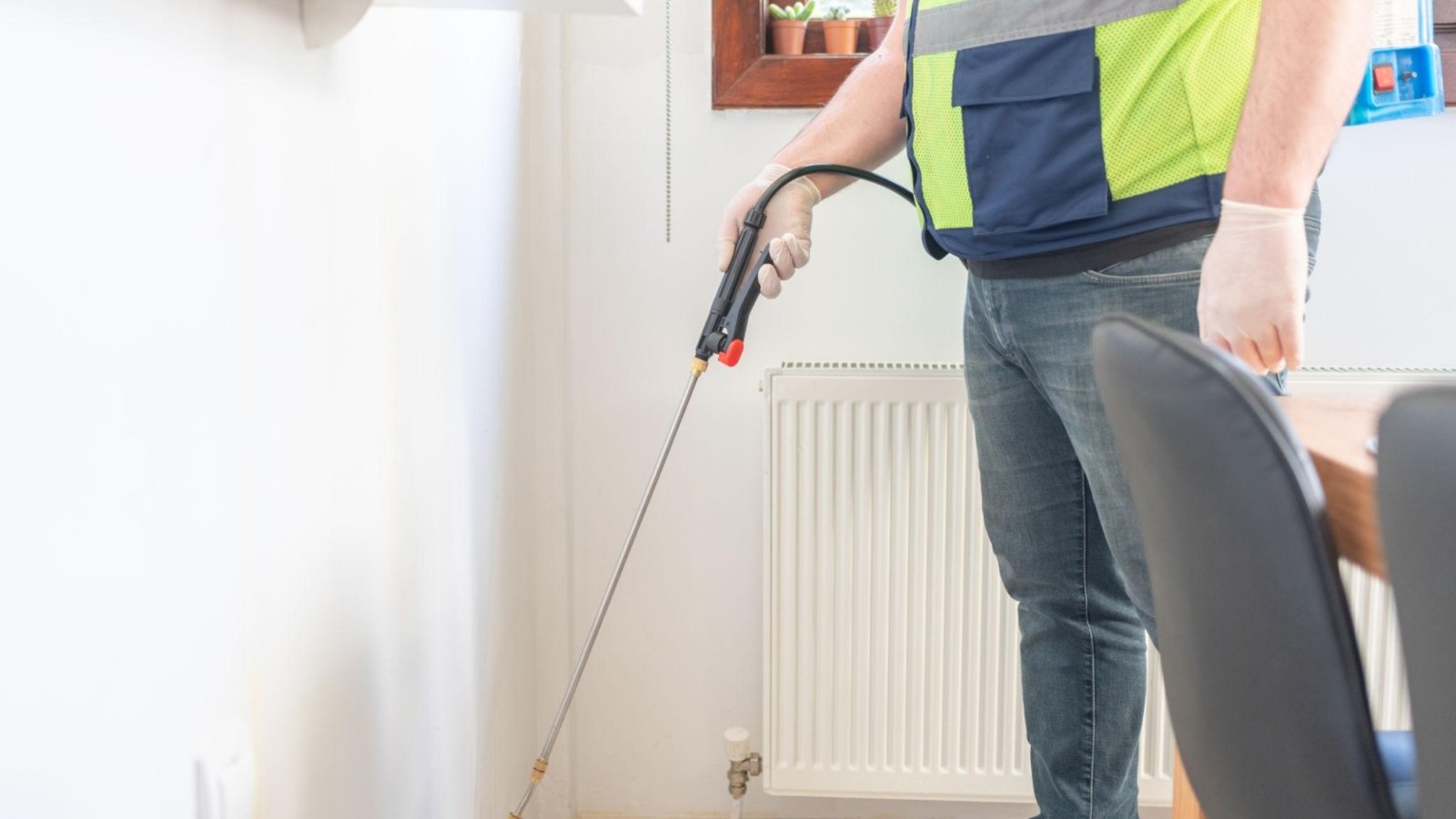
Professional bed bug removal specialists use commercial-grade equipment, detailed inspections, and proven treatment methods designed to eliminate bed bugs at every stage of their lifecycle. Early intervention provides the highest chance of complete eradication while preventing further spread throughout the property.
Conclusion
Bed bugs can enter any home, regardless of cleanliness or location, and understanding how infestations begin is one of the best ways to prevent them. Whether they arrive through travel, second-hand furniture, shared accommodation, visiting guests, or untreated infestations, these pests multiply quickly and become increasingly difficult to remove without professional help. By staying vigilant, inspecting belongings carefully, and acting quickly when early warning signs appear, homeowners in Leeds can protect their families and properties from long-term infestations. If you suspect bed bugs have entered your home, arranging a professional inspection and treatment as soon as possible is the safest and most effective way to restore a comfortable, healthy, and pest-free living environment.
Leave A Comment