
Introduction
If you’ve discovered bed bugs in your home, scheduling a professional treatment is the most effective step towards eliminating the infestation. However, the success of any bed bug removal service doesn’t depend solely on the products or equipment used—it also relies on how well the property is prepared before the treatment begins. Proper preparation gives pest control technicians full access to hiding places, allowing treatments to reach every area where bed bugs may be living. It also helps reduce the chances of bed bugs surviving in hidden locations and returning after the initial visit.
Many homeowners in Leeds are unsure what they should do before a bed bug treatment. Questions about washing bedding, moving furniture, vacuuming, or packing personal belongings are very common. Preparing your home correctly not only improves the effectiveness of the treatment but also shortens the time needed for technicians to complete their work. Below are five essential steps you should take before your professional bed bug removal appointment to ensure the best possible results.
1. Wash and Store Bedding and Clothing Properly
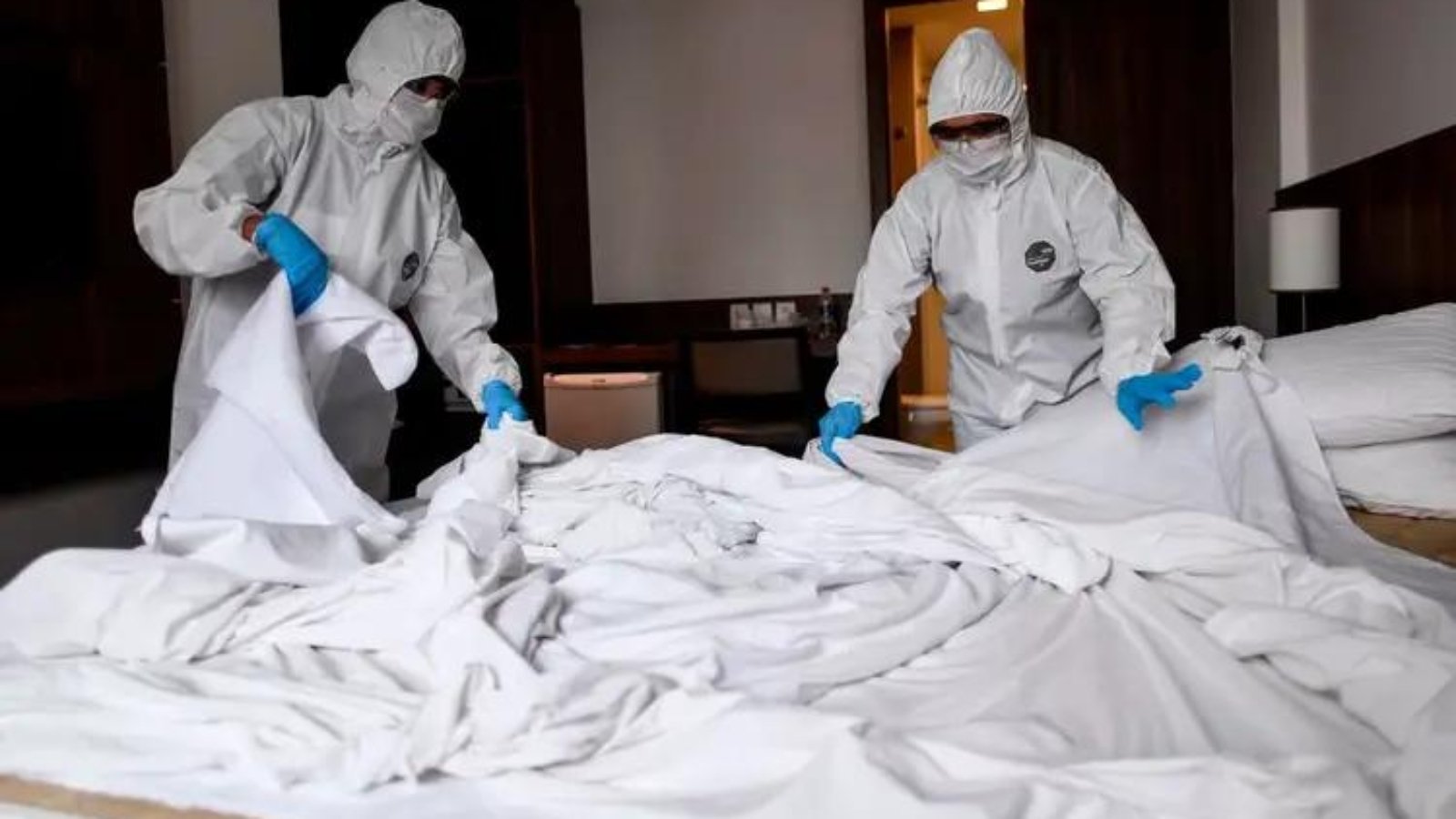
One of the first steps before treatment is washing all bedding, clothing, and fabrics that may have come into contact with bed bugs. Bed sheets, pillowcases, duvet covers, blankets, curtains, towels, and clothing should be washed using the hottest temperature recommended by the manufacturer. Heat is one of the most effective ways to kill both bed bugs and their eggs, making this an important part of the preparation process.
After washing, items should be dried on a high-heat setting for at least 30 minutes whenever possible. The heat generated during drying helps destroy any remaining insects or eggs that may have survived the wash cycle. Once cleaned, place these items in sealed plastic bags or airtight containers until after the treatment has been completed. This prevents them from becoming reinfested while technicians are treating the property.
Avoid placing cleaned items back into wardrobes, drawers, or onto treated beds until your pest control specialist confirms it is safe to do so. Keeping washed belongings sealed also makes it easier to identify which items have already been treated, reducing the risk of accidentally spreading bed bugs to other areas of your home.
2. Declutter the Affected Rooms
Bed bugs thrive in clutter because it provides countless hiding places where they can remain undisturbed during the day. Boxes, piles of clothes, books, shoes, toys, and stored belongings create ideal environments for bed bugs to hide and reproduce. The more clutter there is, the more difficult it becomes for technicians to inspect and treat every affected area.
Before your appointment, remove unnecessary items from the floor and organise your belongings. However, avoid moving items from an infested room into another part of the house, as this can unintentionally spread bed bugs throughout the property. Instead, carefully place belongings into sealed plastic bags if instructed by your pest control provider.
Decluttering also allows technicians easier access to skirting boards, furniture, bed frames, wardrobes, and other locations where bed bugs commonly hide. A tidy room enables more thorough treatment and increases the likelihood of completely eliminating the infestation during the first visit.
3. Move Furniture Away from Walls
Bed bugs frequently hide behind beds, headboards, bedside tables, wardrobes, and other furniture positioned against walls. Pulling furniture slightly away from the walls before treatment allows technicians to inspect and treat these hidden areas more effectively.
Beds should be moved where possible so that technicians can access all sides of the mattress, bed frame, and surrounding floor. Bedside cabinets, dressers, and sofas may also need to be repositioned to expose skirting boards and wall junctions where bed bugs often shelter.
While moving furniture, avoid dragging infested mattresses or upholstered items through other areas of the house without following professional advice. If furniture needs to be dismantled, your pest control company will usually advise whether this should be done before they arrive or during the treatment itself.
4. Vacuum Carefully Before the Treatment
Vacuuming is an excellent way to reduce the number of live bed bugs, eggs, and debris before professional treatment begins. Carefully vacuum mattresses, carpets, bed frames, upholstered furniture, skirting boards, and cracks where bed bugs may be hiding. Pay particular attention to mattress seams, furniture joints, and areas beneath the bed.
Although vacuuming alone will not eliminate an infestation, it helps remove a significant number of insects and allows professional treatments to work more effectively. After vacuuming, immediately remove the vacuum bag or empty the canister into a sealed plastic bag and dispose of it outside your home. This prevents captured bed bugs from escaping back into the property.
Avoid steam cleaning or applying DIY insecticides immediately before professional treatment unless specifically instructed to do so. Some products can interfere with the effectiveness of commercial pest control treatments, making them less successful.
5. Follow All Instructions from Your Pest Control Specialist
Every bed bug infestation is different, which is why professional pest control companies provide preparation instructions tailored to your property. Following these guidelines carefully is one of the most important steps you can take to ensure successful treatment.
Your technician may ask you to leave the property for several hours after treatment, avoid cleaning treated surfaces for a certain period, or schedule a follow-up visit to eliminate any newly hatched bed bugs. These recommendations are based on years of experience and are designed to maximise the effectiveness of the treatment.
If you have pets, young children, or family members with medical concerns, discuss these with your pest control company before treatment begins. They can provide advice on safety precautions and explain when it is safe to return to treated areas. Clear communication between you and your technician helps ensure a smooth process and long-lasting results.
Conclusion
Preparing your home properly before professional bed bug treatment plays a vital role in achieving complete and long-lasting results. Washing and sealing fabrics, reducing clutter, moving furniture, vacuuming carefully, and following your pest control specialist’s instructions all contribute to a more effective treatment. These simple preparations give technicians better access to hidden bed bugs and help prevent the infestation from spreading or returning. If you’re arranging professional bed bug removal in Leeds, taking the time to prepare your property correctly will increase the success of the treatment, minimise disruption, and help restore your home to a clean, comfortable, and pest-free environment as quickly as possible.
Leave A Comment